Business owners generally take one of two approaches to HVAC service: preventive maintenance or reactive repairs only when something breaks. Old Glory Air Conditioning and Heating compares these strategies to help Arlington area business owners make an informed choice.
A reactive approach means only calling for HVAC service when a system actually breaks down or shows obvious signs of failure, without any scheduled maintenance in between. This approach avoids proactive costs but comes with significant tradeoffs.
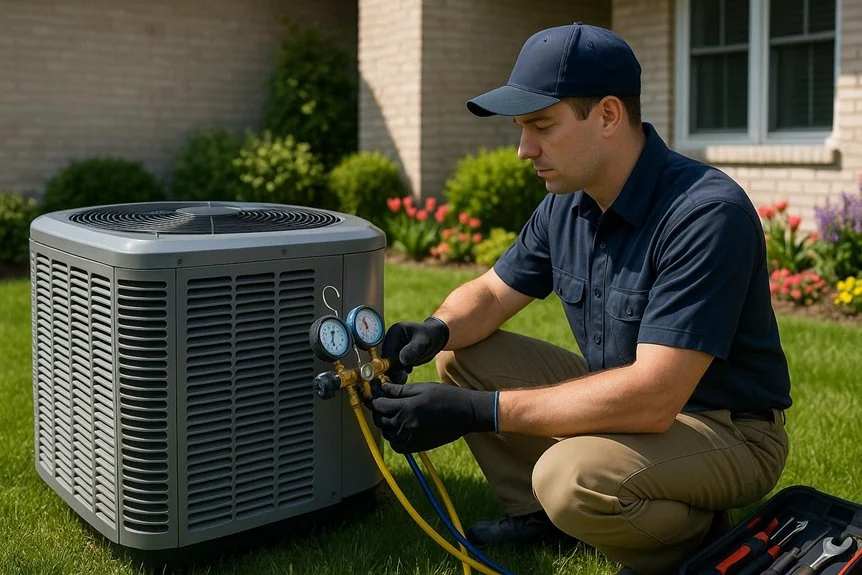
Preventive maintenance involves regularly scheduled inspections and service, typically twice a year, designed to catch and address small issues before they develop into larger, more disruptive problems.
While reactive service might seem to save money upfront by avoiding routine maintenance costs, businesses relying on this approach often face more frequent, more expensive emergency repairs and unplanned downtime that can significantly impact operations.
By catching issues before they cause a complete system failure, preventive maintenance significantly reduces the likelihood of unexpected downtime that can disrupt business operations and affect customer experience.
Commercial HVAC systems that receive regular preventive maintenance generally last longer than those maintained reactively, since small issues are addressed before they cause cumulative damage to other system components.
Preventive maintenance costs are predictable and can be budgeted for in advance, while reactive repairs, particularly emergency ones, often come with less predictable and sometimes higher costs due to the urgency involved.
Systems maintained preventively tend to operate more efficiently throughout their lifespan, while systems maintained reactively often experience gradual efficiency decline between the infrequent times they receive attention.
Ultimately, the choice between these approaches often comes down to how much risk a business is willing to accept regarding potential downtime, and how much value is placed on predictable operating costs versus potentially lower upfront maintenance spending.
For businesses that have historically taken a reactive approach, transitioning to preventive maintenance is a straightforward process that can begin with a comprehensive initial assessment to understand your system's current condition.

Our team helps Arlington area businesses transition to and maintain effective preventive HVAC maintenance strategies, reducing downtime risk and supporting long-term equipment reliability.