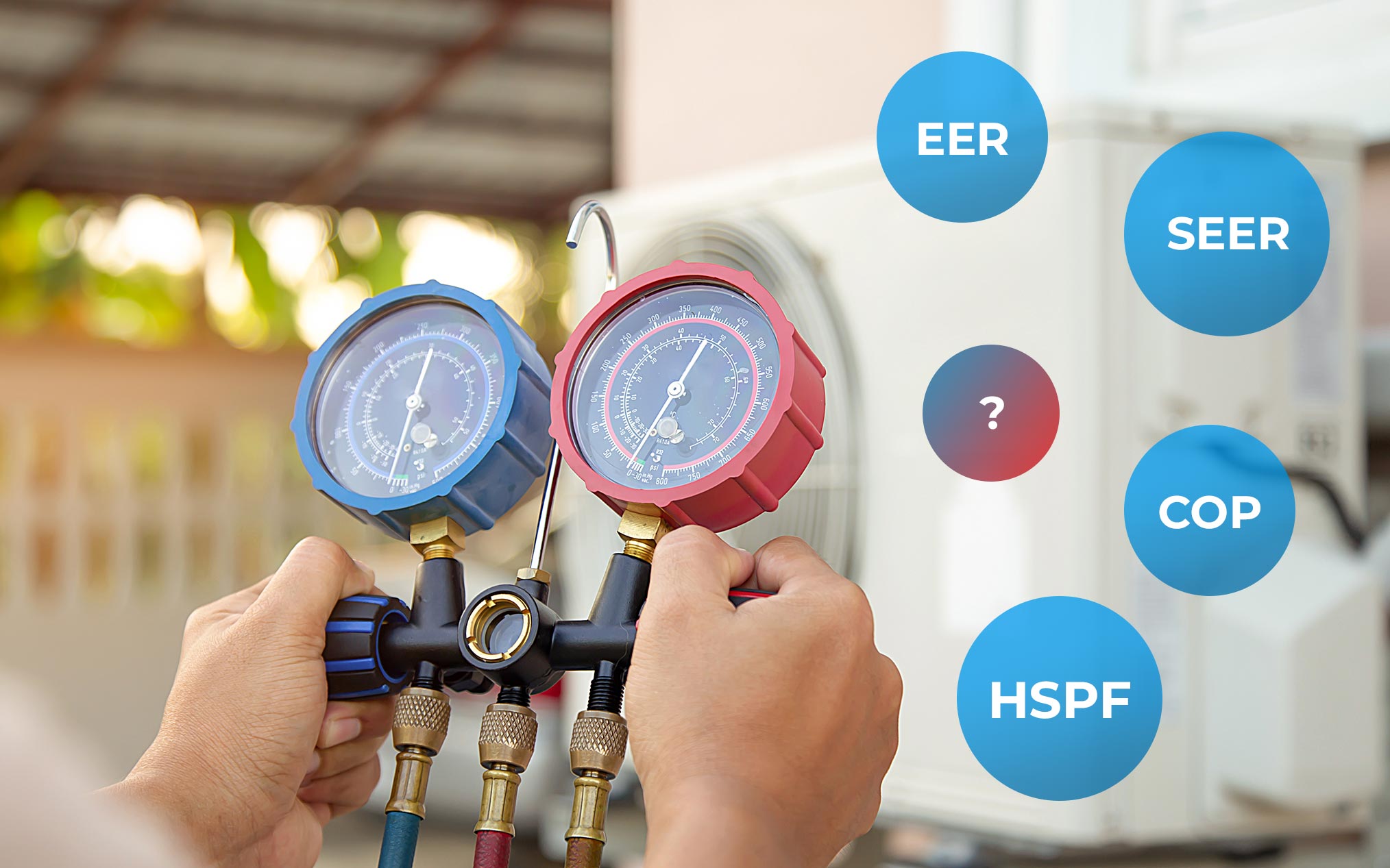
When shopping for a new heat pump, homeowners are often presented with a range of efficiency ratings and acronyms that can be confusing without context. Old Glory Air Conditioning and Heating breaks down what these numbers actually mean and why they matter for your home comfort and energy costs.
SEER, or Seasonal Energy Efficiency Ratio, measures a heat pump's cooling efficiency over the course of a typical cooling season. A higher SEER rating generally indicates better cooling efficiency, which can translate into lower energy costs during the warmer months.
HSPF, or Heating Seasonal Performance Factor, measures a heat pump's heating efficiency over an entire heating season. Since heat pumps handle both heating and cooling, this rating is just as important as SEER for understanding overall system performance throughout the year.
Because heat pumps provide both heating and cooling from a single system, evaluating both SEER and HSPF ratings together gives a more complete picture of how efficiently the system will perform throughout the entire year, rather than focusing on just one season.
Generally speaking, heat pump systems with higher SEER and HSPF ratings come with a higher upfront equipment cost. This additional investment is typically offset over time through lower energy bills, though the specific payback period depends on your local energy costs and usage patterns.
Manufacturers are required to meet certain minimum efficiency standards for new equipment, meaning even baseline systems today are generally more efficient than older heat pumps installed years ago. Understanding where a specific system falls relative to current minimums and premium options helps put the ratings into context.
Since North Texas experiences a combination of hot summers and relatively mild winters, both cooling and heating efficiency matter for local homeowners, though the balance of importance may lean slightly toward cooling efficiency given how much of the year cooling systems typically run in our climate.
While higher efficiency ratings are generally desirable, it's worth balancing this consideration against your overall budget and how long you plan to stay in your home, since the energy savings from a higher efficiency system accumulate over time.
An experienced HVAC technician can help translate these efficiency ratings into real-world terms for your specific home, energy costs, and usage patterns, helping you make a more informed decision.

Our team helps Arlington area homeowners understand heat pump efficiency ratings and choose a system that balances upfront cost with long-term energy savings.