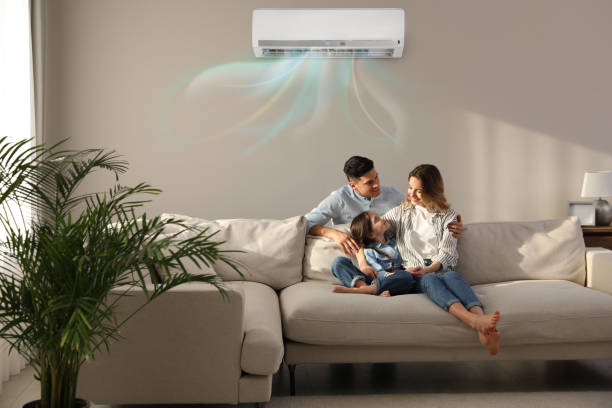
For many households, allergy symptoms don't disappear once you step indoors, and in some cases, they can actually feel worse at home. Indoor air quality plays a significant role in how allergy symptoms are triggered and managed throughout the year. Old Glory Air Conditioning and Heating helps Arlington area homeowners understand this connection and what can be done to help.
Dust mites, pet dander, mold spores, and pollen that makes its way indoors are among the most common allergens found circulating through a typical home's air. Without proper filtration and ventilation, these particles can accumulate and continue triggering symptoms even when outdoor pollen counts are low.
Your HVAC system is constantly circulating air throughout your home, which means it also plays a central role in either filtering out allergens or, if not properly maintained, potentially contributing to their spread. A dirty air filter, for example, is far less effective at capturing airborne particles before they circulate back into your living spaces.
Humidity levels that are too high can create an environment where dust mites and mold thrive, both common allergy triggers. Conversely, air that's too dry can irritate nasal passages and make existing allergy symptoms feel more pronounced. Maintaining balanced humidity through your HVAC system can help reduce these triggers.
Standard air filters are designed primarily to protect your HVAC equipment, not necessarily to capture the finest allergen particles. A dedicated whole-home air purification system can capture much smaller particles, providing an additional layer of allergen reduction throughout your home.
Homes that are tightly sealed for energy efficiency can sometimes trap allergens and pollutants indoors without adequate fresh air exchange. Mechanical ventilation solutions can help introduce filtered outdoor air while removing stale indoor air, reducing the buildup of allergens over time.
Ductwork that hasn't been inspected in years can accumulate dust and, in some cases, mold, both of which get circulated throughout your home every time your system runs. Periodic ductwork inspection and cleaning can help reduce this source of indoor allergens.
Beyond your HVAC system, regularly washing bedding, minimizing carpet in favor of hard flooring where possible, and keeping pets groomed can all help reduce the overall allergen load in your home, working alongside your HVAC improvements.
If allergy symptoms seem to worsen specifically while at home, or if standard filter changes and cleaning haven't provided noticeable relief, it may be worth scheduling a professional indoor air quality assessment to identify more targeted solutions.

Our team helps Arlington area homeowners address indoor air quality concerns with practical, effective solutions designed to create a healthier, more comfortable home environment.