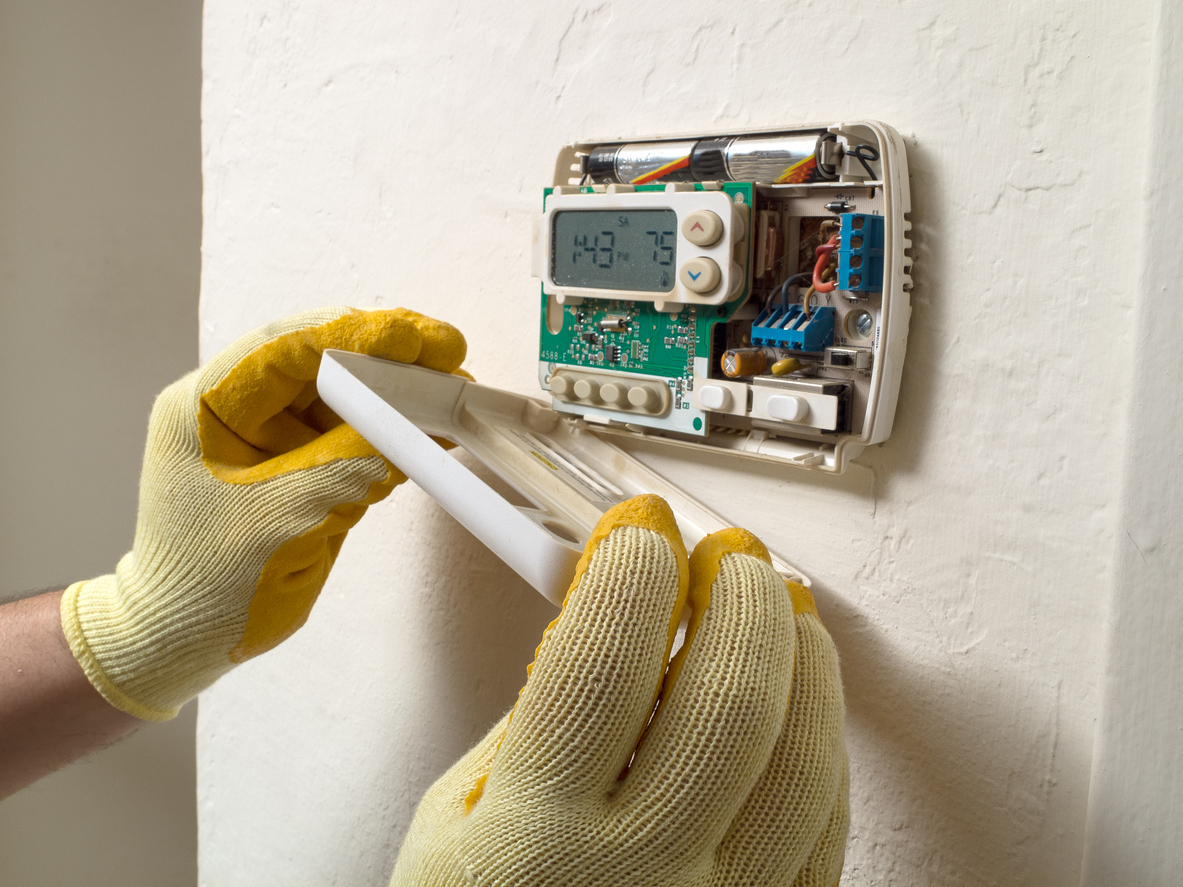
When your home isn't heating properly, it's not always immediately clear whether the problem lies with your furnace itself or with the thermostat controlling it. Old Glory Air Conditioning and Heating shares some helpful ways to narrow down the likely cause before scheduling a repair visit.
Before assuming a furnace problem, confirm your thermostat is set to heat mode, the temperature is set appropriately above the current room temperature, and if applicable, the batteries are fresh. A surprising number of heating complaints trace back to a simple thermostat setting issue.
If you adjust your thermostat and hear your furnace attempting to start, even if it's not successfully producing heat, this suggests the thermostat is at least communicating with the system, pointing more toward a furnace-specific issue like ignition or a heat exchanger problem.
If you adjust the thermostat and hear absolutely nothing from your furnace, no clicking, no fan activity, this can indicate the thermostat isn't properly communicating with the system, whether due to a wiring issue, dead batteries, or a malfunctioning thermostat itself.
Cycling the system off and back on, or switching between heat and fan-only modes, can sometimes reveal whether the thermostat is responding appropriately, which helps narrow down whether the issue lies with the control device or the furnace itself.
If you recently replaced your thermostat and heating issues began shortly after, this timing can be a useful clue pointing toward a compatibility or wiring issue with the new thermostat rather than a furnace problem that developed independently.
If your thermostat's displayed temperature seems inaccurate compared to how the room actually feels, this can indicate a sensor issue within the thermostat itself, separate from any potential furnace performance problems.
In some cases, an aging thermostat and an aging furnace may both be experiencing age-related issues simultaneously, making it more difficult to isolate a single cause without professional diagnostic equipment.
Rather than guessing between a thermostat and furnace issue, a qualified HVAC technician can quickly test both components to definitively identify the actual source of the problem, saving you from potentially replacing the wrong component.

Whether your heating issue traces back to your thermostat, your furnace, or both, our team provides accurate diagnosis and honest repair recommendations for Arlington area homeowners.