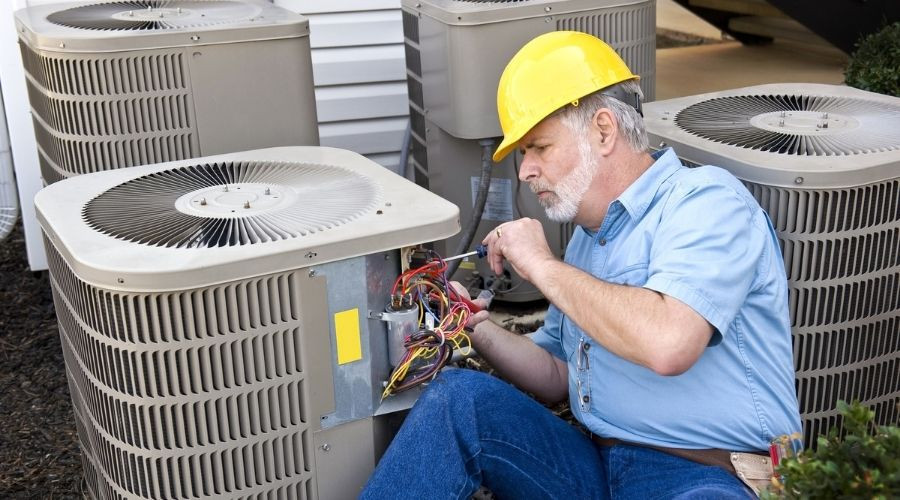
When your air conditioner stops working properly, one of the first questions most homeowners ask is how much the repair will cost. The truth is, air conditioning repair pricing depends on several factors, and understanding them can help you make informed decisions about your home's cooling system rather than being surprised by an unexpected bill.
At Old Glory Air Conditioning and Heating, we believe transparency matters. Below, we walk through the main factors that influence repair costs so you know what to expect before a technician ever arrives at your door.
Not all air conditioning repairs are created equal. A simple fix, like replacing a capacitor or a worn contactor, is typically far less expensive than a repair involving the compressor or evaporator coil. Compressor issues, in particular, tend to be among the more involved repairs because the compressor is essentially the heart of the system, and diagnosing electrical or mechanical failures inside it takes specialized skill and time.
Refrigerant leaks are another category that varies widely in cost, depending on where the leak is located and how difficult it is to access. A leak in an easily reachable line set is a much simpler fix than one buried within the evaporator coil itself.
Older air conditioning units often cost more to repair for a straightforward reason: replacement parts for aging equipment can be harder to source, and older systems tend to develop multiple small issues at once rather than a single isolated problem. If your AC is more than 12 to 15 years old, a technician may find that fixing one component only reveals another that's also nearing the end of its life.
This is why, during a repair visit, an honest HVAC technician will often discuss whether continued repairs make financial sense compared to investing in a new, more efficient system. There's no one-size-fits-all answer, but understanding the age and condition of your unit is a key part of that conversation.
Air conditioners manufactured before 2010 often use R-22 refrigerant, which has been phased out of production due to environmental regulations. Because R-22 is no longer manufactured, the cost of this refrigerant has increased significantly over the years, and repairs involving a recharge can be considerably more expensive on older systems that still use it.
Newer systems generally use R-410A or newer refrigerants, which tend to be more available and, in many cases, more cost-effective to service.
Like many service industries, HVAC repair costs can be influenced by seasonal demand. During peak summer months, when air conditioning systems across the region are working overtime, repair technicians are in higher demand, which can occasionally affect scheduling and, in some cases, emergency service pricing. Scheduling routine maintenance or addressing minor issues before the peak season hits can help homeowners avoid this seasonal crunch entirely.
The physical location of your air conditioning unit and its components can also play a role in repair costs. A unit installed in an easily accessible location, such as a ground-level pad with clear space around it, is typically quicker and easier to service than one tucked into a tight attic space or a hard-to-reach mechanical closet.
Similarly, ductwork that's difficult to access can add time to diagnostics and repairs involving airflow issues, which can affect overall labor costs.
If your air conditioning system is still under manufacturer or labor warranty, some or all of the parts and labor costs associated with a repair may be covered. It's always worth checking your warranty documentation or asking your HVAC company to verify coverage before repairs begin, since this can significantly reduce out-of-pocket costs.
One of the most important parts of managing air conditioning repair costs is starting with an accurate diagnosis. A thorough inspection helps identify the actual root cause of a problem, rather than guessing and potentially replacing parts that weren't actually causing the issue. This not only saves money in the short term but also helps prevent the same problem from resurfacing.
At Old Glory Air Conditioning and Heating, our technicians take the time to properly diagnose issues before recommending a repair, and we always explain our findings clearly so homeowners understand exactly what's being repaired and why.
While not every repair can be prevented, regular HVAC maintenance significantly reduces the likelihood of major, costly breakdowns. Routine tune-ups help catch small issues, like a failing capacitor or a slightly low refrigerant charge, before they turn into bigger, more expensive problems. Homeowners who invest in annual maintenance often find that their systems run more efficiently and require fewer emergency repairs over the life of the equipment.

Every home and every AC system is a little different, which means repair costs can vary from house to house even for what seems like a similar issue. The best way to get an accurate picture of your specific repair cost is to schedule a professional diagnostic visit with a trusted local HVAC company.
Old Glory Air Conditioning and Heating proudly serves Arlington area homeowners with honest, upfront pricing and clear communication throughout every air conditioning repair. We want you to feel confident in the work being done on your home, not left guessing about what you're paying for.