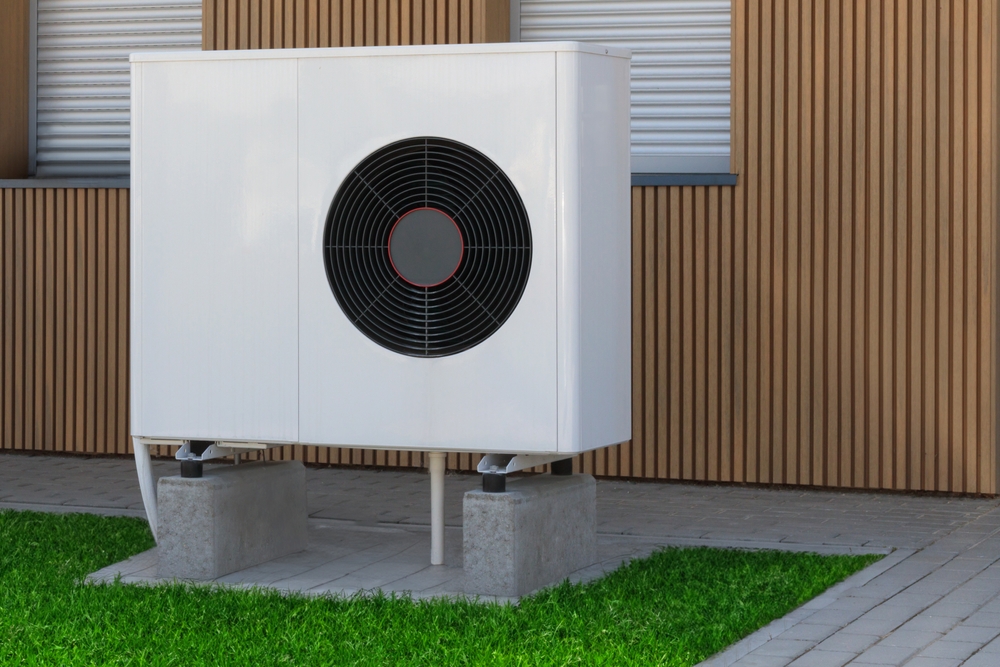
While air source heat pumps are the more common choice for most residential homes, ground source heat pumps represent an alternative technology worth understanding. Old Glory Air Conditioning and Heating explains the key differences between these two approaches.
Air source heat pumps, the standard type installed in most homes, extract available heat from the outdoor air and transfer it indoors during heating mode, reversing the process to provide cooling during warmer months.
Ground source heat pumps, also called geothermal systems, use underground pipes to take advantage of the relatively stable temperature found below the earth's surface, which stays more consistent year-round compared to fluctuating outdoor air temperatures.
Ground source systems generally offer higher efficiency than air source systems, since underground temperatures remain more stable and moderate compared to outdoor air temperatures, which can swing significantly with the seasons.
Air source heat pumps involve relatively straightforward installation, similar to a standard air conditioning system. Ground source systems require significant excavation or drilling to install the underground piping loop, resulting in substantially higher upfront installation costs.
While ground source systems come with a higher initial investment, their improved efficiency can lead to lower operating costs over time, making the payback period an important consideration when comparing the two options.
Ground source systems require adequate property space for the underground loop installation, which can be a limiting factor for smaller lots or homes in more densely developed areas, while air source systems have more modest space requirements.
Given the relatively mild North Texas climate, air source heat pumps generally perform quite well without necessarily requiring the additional investment of a ground source system, though ground source technology remains a viable option for homeowners seeking maximum efficiency and willing to invest in the higher upfront cost.
Both systems require regular professional maintenance, though ground source systems generally have fewer outdoor components exposed to weather-related wear compared to the outdoor unit of an air source system.
The right choice depends on your available property space, budget for upfront installation costs, and how much long-term efficiency matters relative to the significant cost difference between these two heat pump technologies.

Our team helps Arlington area homeowners understand heat pump technology options and choose the right system for their specific property and budget.