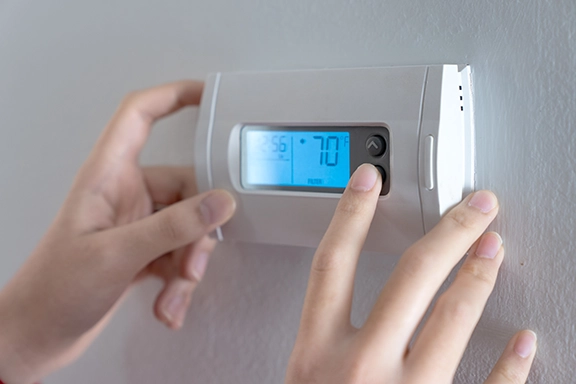
While smart thermostats are often marketed as simple do-it-yourself upgrades, installation mistakes can lead to performance issues or even damage to your HVAC system. Old Glory Air Conditioning and Heating shares common errors to be aware of.
One of the most common mistakes is purchasing a smart thermostat without first confirming it's compatible with your specific HVAC system, particularly for homes with heat pumps or certain multi-stage systems that have specific wiring requirements.
Thermostat wiring involves multiple labeled wires that each serve a specific function. Mixing these up during installation can lead to the thermostat not functioning correctly, or in some cases, can potentially damage system components.
Many smart thermostats require a common wire, often called a C-wire, to provide continuous power. Homes with older thermostat wiring may not have this wire readily available, and attempting to work around this requirement improperly can lead to performance issues.
Installing a thermostat in a location exposed to direct sunlight, near a drafty window, or close to a heat-generating appliance can cause inaccurate temperature readings, leading the system to heat or cool based on incorrect information.
After installation, failing to properly calibrate the new thermostat can result in inaccurate temperature readings compared to the actual conditions in your home, undermining the comfort and efficiency benefits the device is meant to provide.
For homes with existing zoning systems, installing a smart thermostat without confirming compatibility with the zoning equipment can lead to some zones not functioning as expected.
After installation, it's important to test heating, cooling, and fan functions to confirm everything is working properly, rather than assuming a successful initial power-up means the entire system is functioning correctly.
Every thermostat model has specific installation instructions from the manufacturer, and skipping steps or assuming general HVAC knowledge is sufficient without following model-specific guidance can lead to avoidable errors.
Professional installation helps ensure compatibility is confirmed beforehand, wiring is handled correctly, and the system is properly tested and calibrated, avoiding the common pitfalls that can occur with a rushed or uninformed do-it-yourself installation.

Our team properly installs and configures smart thermostats for Arlington area homeowners, helping you avoid common mistakes and get the full benefit of your new device from day one.